Events · Public Procurement
Hapee on the Expo Compra Pública podcast
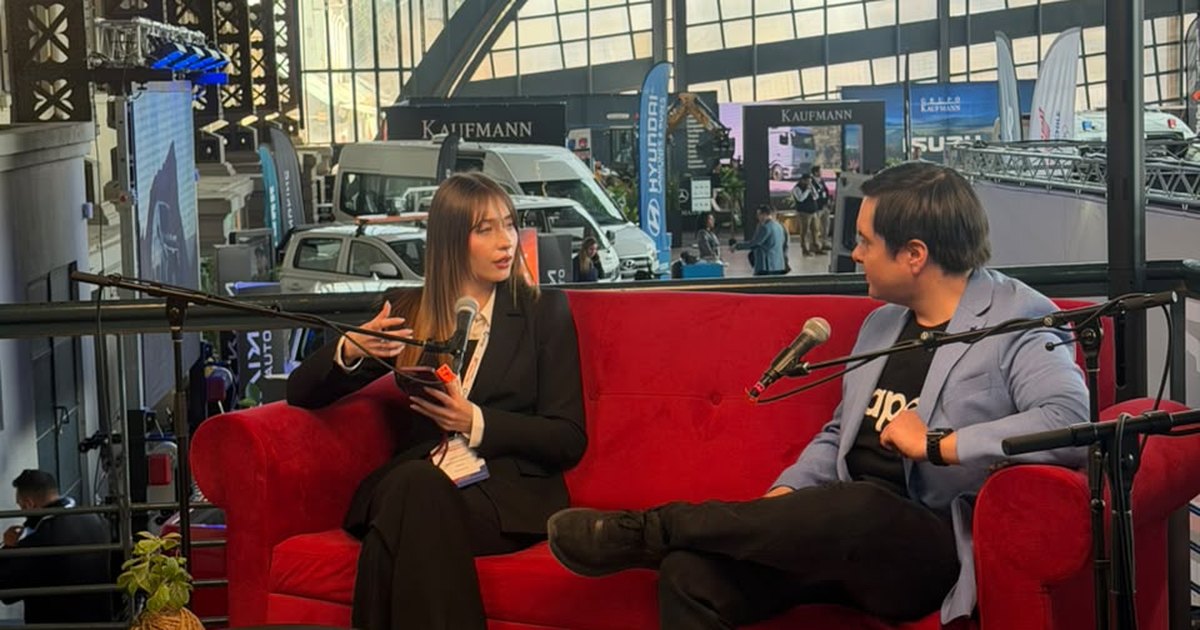
We were on the Expo Compra Pública podcast talking about something very concrete: how AI changes the way companies take part in public procurement, and what makes sense to automate and what doesn't.
Aug 5, 2026
Events · Public Procurement
3 min read
By Hapee Team
Expo Compra Pública brings together government suppliers, buying agencies and people who live off the tender ecosystem. It's a demanding audience: they aren't interested in AI promises, they're interested in what can be done on Monday. That was the frame for the conversation.
What we talked about
The real bottleneck
The problem isn't a lack of published tenders, it's the human time it takes to filter them. Most opportunities are lost because nobody saw them, not because the evaluation was lost.
Fit, not volume
Why showing a hundred opportunities is worse than showing five well-chosen ones, and how fit is calculated against what the company actually does.
What NOT to automate
The decision to bid and the technical proposal remain human. Automating search and follow-up is healthy; automating judgment is not.
Traceability
In public procurement everything is audited. Any AI support has to leave a record of why it recommended something, not be a black box.
What we took away
Two comments from the audience kept echoing in the team. The first, from a mid-sized supplier: "I don't need more alerts, I need fewer and better ones". The second, from a procurement officer: "what's useful to me is knowing why they're recommending something".
Both point to the same thing and confirm where to go next: less noise and more explanation. That's exactly the principle the Public Tenders module is built on — a fit score with its written justification, instead of an endless list.
Thanks to the Expo organizers for the space and to everyone who stayed to ask questions afterward. Those conversations are the ones that end up changing the product.